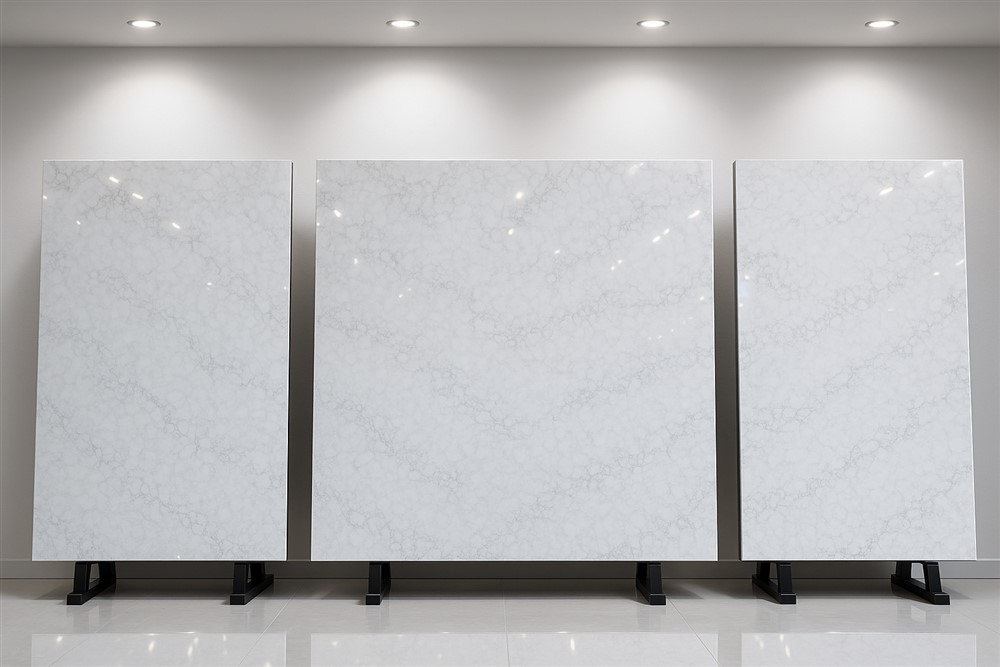
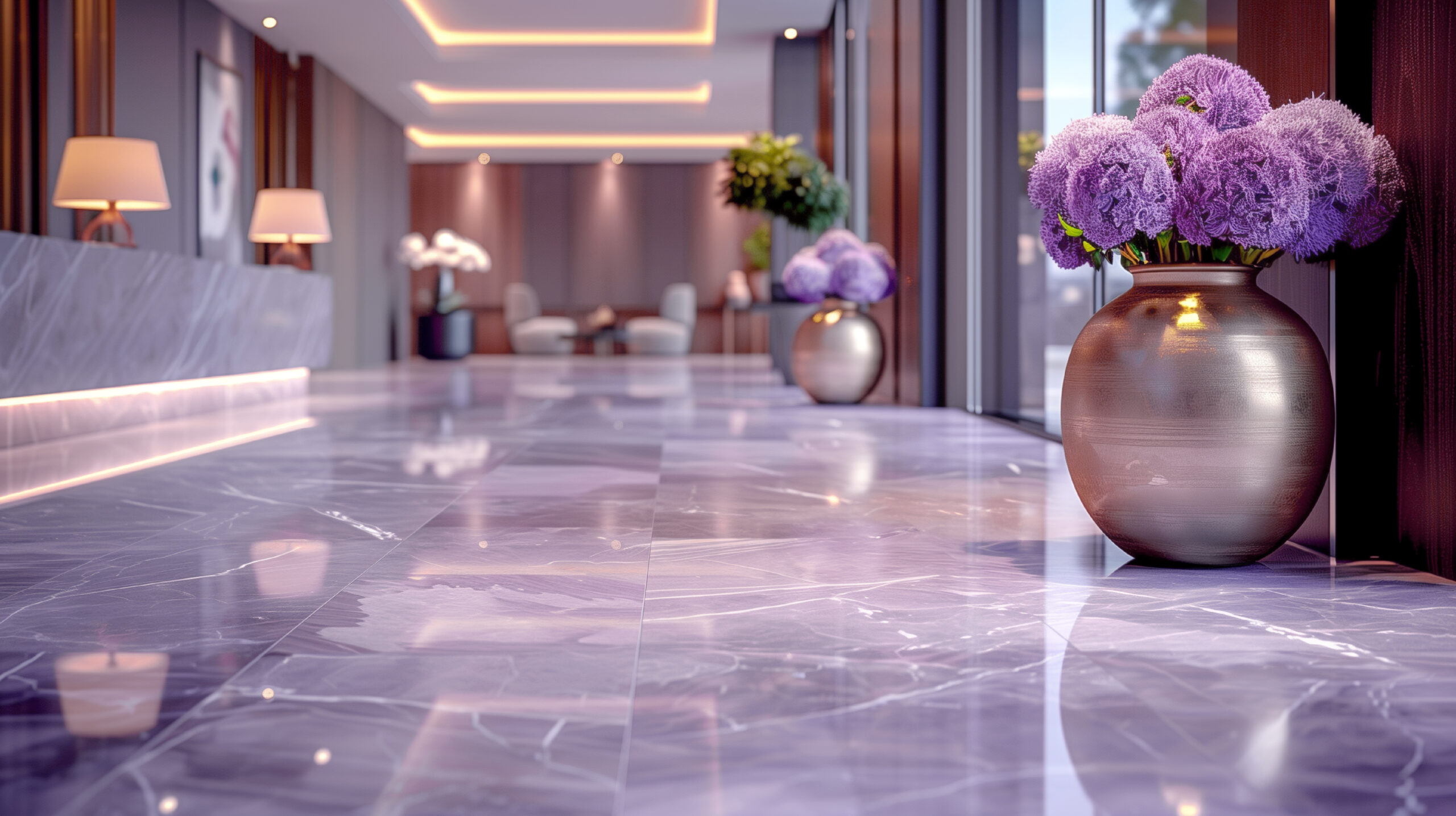
This guide explores the important distinctions between Italian marble and regular marble, covering origin, appearance, durability, applications, and price, to help you choose the perfect solution for your home or commercial space. Whether you are searching for the best marble store, marble supplier, or granite shop, Ace Marble & Granites offers high-quality materials and expert guidance.
Cost: Affordable, widely available in various price ranges.
Availability: Easily sourced locally and imported in large quantities.
Recommended For: Practical applications with a balance of design and functionality.
Selecting the Perfect Marble
When choosing between Italian marble and regular marble, consider your budget, design goals, and usage needs. Italian marble is perfect for creating luxurious, elegant spaces with subtle colors and refined veining, but is best suited for low-traffic, decorative areas and requires careful maintenance. Regular marble offers greater color variety, durability, and easier upkeep, making it ideal for high-traffic areas like kitchen counters, flooring, and commercial spaces while being more budget-friendly.
Why Choose Ace Marble & Granites
Ace Marble & Granites stands out as a leading marble supplier and top marble company, offering high-quality Italian marble as well as an extensive range of regular marble at competitive prices. Our showroom is known for being the best marble shop and granite shop, where customers receive expert guidance and access to premium materials for every type of project.
Conclusion
Choosing between Italian marble and regular marble is more than just selecting a material—it’s about aligning your budget, style preference, and functional requirements.
Select Italian marble for timeless sophistication and statement luxury.
Choose regular marble for durability, variety, and affordability.
At Ace Marble & Granites, we help you find the perfect marble solution that enhances your space while standing the test of time. Proper selection and maintenance ensure lasting beauty and performance.
Italian marble has consistently symbolized refinement, luxury, and timeless appeal. From lavish palaces and premium hotels to stylish homes and workspaces, it is still favored for floors, counters, and wall coverings.
However, with so many varieties and grades available in the market, it’s crucial to know how to check the quality of Italian marble before investing. At Ace Marble & Granites, we believe in empowering our clients with the proper knowledge to choose premium marble that matches their design goals and budget.
Italian marble, admired for its timeless beauty, polished surface, and strength, continues to be the top preference for premium homes and commercial projects. However, with its growing popularity, the market is filled with imitations and low-quality substitutes. Knowing how to identify authentic Italian marble guarantees long-lasting elegance, reduces the risk of damage, and safeguards your investment.
At Ace Marble & Granites, we guide you in selecting only genuine, superior-quality marble for your interiors.
Top-grade Italian marble has a shiny, polished look with an even glow. Good marble shines evenly when light hits it. A premium slab should be sleek and glossy—if it feels coarse, looks faded, or appears irregular, the quality is compromised.
Take a close look at the marble’s surface. If you notice cracks, thin lines, or spots filled with artificial material, it’s a warning sign. Authentic Italian marble is strong and lasting, usually with very few defects. Using fillers in excess compromises the stone’s long-term quality.
Authentic Italian marble reveals a refined, even shade enhanced by elegant, naturally curved veins. Subtle variations add character, but the slab should maintain a balanced beauty. If the marble appears patchy or irregular, it may not be of premium quality.
If you lightly run a sharp tool over the marble, real Italian marble won’t get damaged. Fake or poor-quality marble, however, scratches instantly. This quick test clearly shows the difference.
Marble tends to be delicate yet luxurious. Italian marble distinguishes itself with its reduced porosity compared to inexpensive substitutes. Drop a little water on the slab – if it absorbs quickly, the marble may be of inferior quality. Slower absorption indicates stronger, longer-lasting material.
Good-quality Italian marble slabs are typically even in thickness. If the edges are rough or the thickness changes, it can cause problems during fitting and reduce strength. Always measure carefully to make sure the slab is consistent.
At the end of the day, the biggest quality check depends on the seller. Genuine Italian marble should only be purchased from reliable dealers who provide authenticity documents and expert support.
Why Choose Ace Marble & Granites?
At Ace Marble & Granites, we choose every piece of Italian marble with care, ensuring it meets the highest standards of quality and beauty. With our rich experience and wide variety of premium options, we make it easy for you to find the right stone at the right price. From helping you select to completing the installation, we’re here every step of the way to bring your vision to life..
Final Tip: Always evaluate Italian marble with both technical checks and expert advice. With the proper selection, your space can achieve unmatched elegance and long-lasting value.
Italian marble adds timeless elegance to any space, but its porous surface means spills can leave stains if not addressed quickly. At Ace Marble & Granites, we help homeowners restore the natural beauty of Italian marble with safe, proven methods. Below is a clear, step-by-step guide to removing common stains while protecting the stone.
Understanding Italian Marble Stains
Italian marble is a porous metamorphic stone, so liquids can seep into its pores and cause staining.
Stains vary by type: organic (coffee, tea, wine), oil-based (grease, makeup), rust, ink, paint, and more.
What influences staining: stain type, how long the liquid stayed on the surface, whether the marble has been sealed, and exposure to acids.
Important note: Avoid acidic cleaners (like lemon juice or vinegar) on marble, as they can etch the surface. Always test cleaning methods in a small, hidden area first.
Start with a marble-safe poultice (often hydrogen peroxide with an absorbent powder) to draw iron out of the stone.
Let it dry completely, then remove the dried poultice, rinse, and dry.
If the stain persists, consider a rust-removal product labeled for marble/stone and follow the instructions. Do not use harsh acids or bleach on marble.
When in doubt, consult a professional for rust-related staining.
Ace Marble & Granites can assess your Italian marble and recommend a tailored stain-removal plan, along with sealing and maintenance steps to keep your stone looking its best for years to come.
Frequently Asked Questions (FAQ)
Can I use vinegar or lemon juice on Italian marble?
No. Acids can etch marble and worsen stains. Use only pH-neutral cleaners and marble-safe products.
What should I do first if I spill something on Italian marble?
Blot immediately to soak up the spill, then clean the area with a neutral, marble-safe cleaner. If a stain appears, follow a poultice method appropriate for the spill type.
How long does stain removal take?
Most organic and oil-based stains respond within 24 to 48 hours with a properly applied poultice. Some stubborn stains may require more time or professional treatment.
Should I seal Italian marble after stain removal?
Yes. Sealing protects porous marble from future staining and makes maintenance easier. Ace Marble & Granites can recommend the right sealer for your stone type and usage.
When should I call a professional?
If stains are deep, cover a large area, involve valuable or historic marble, or you’re unsure about any cleaning product, contact Ace Marble & Granites for expert assessment and safe restoration options.
For expert stain removal, sealing, and ongoing marble care, trust Ace Marble & Granites. Contact us today to schedule a consultation or learn more about our maintenance services.
Marble has been a symbol of elegance for centuries—from the Taj Mahal in Agra to modern luxury homes around the world. Today, India is one of the leading producers of marble, supplying both domestic and international markets. With so many suppliers available, choosing the right marble shop is essential to finding the perfect balance of quality, variety, and price.
Here are some practical tips to help you make the right choice.
1. Check the Quality First
Premium marble can last for decades if maintained properly, while low-grade marble often loses its shine or develops cracks within a few years. A reliable marble shop will:
Offer slabs with natural patterns and minimal defects.
Provide transparency about the origin and grade of the marble.
Offer finishing options such as polished, honed, or brushed surfaces.
At Ace Marbles, every slab is carefully inspected at multiple stages before it reaches customers, ensuring long-lasting durability and beauty.
2. Look for a Wide Range of Options
Different projects require different types of marble. For example, Makrana White Marble from India is famous for its use in the Taj Mahal, Statuario Marble from Italy is considered one of the most luxurious varieties, and Botticino Marble is known for its subtle beige tones.
These are only a few examples. A reliable marble shop should provide a wide selection of both Indian and imported varieties, giving customers the flexibility to choose the stone that best suits their design and budget. For the full range of options and the latest pricing details, you can explore the Ace Marbles website.
3. Compare Prices Without Compromising Quality
Marble pricing depends on several factors, including origin, rarity, and finish. Indian marbles such as Makrana White are generally more budget-friendly, while premium imported varieties like Italian Statuario are valued for their exclusivity and luxurious appeal.
A trustworthy marble shop will always maintain transparent pricing and explain why certain stones are priced higher than others. For a complete and updated price list, it is best to visit the Ace Marbles website.
4. Evaluate the Shop’s Expertise
A good marble shop does more than sell stone—it acts as a consultant. Educated staff can help you select the right finish based on where the marble will be used, suggest ways to reduce wastage during cutting and installation, and provide tips for proper maintenance. This guidance can save both money and effort in the long run.
5. Experience the Showroom
Marble often looks very different in photographs compared to how it appears in natural or artificial lighting. This is why visiting a showroom is important. A well-organized showroom allows customers to:
View full slabs under proper lighting.
Compare colors and textures side by side.
Visualize how the marble will look in a real project.
The Ace Marbles showroom offers this immersive experience, giving customers clarity and confidence before making a decision.
6. Check After-Sales Support
A trustworthy marble shop provides assistance even after the purchase. This includes cutting and polishing services, safe and timely delivery, and guidance on sealing and cleaning. Good after-sales support ensures that your marble continues to look beautiful for years.
Why Choose Ace Marbles?
Many suppliers promise quality, but Ace Marbles has consistently earned the trust of homeowners, architects, and builders through its commitment to excellence. Here are a few reasons why choosing Ace Marbles makes a difference:
Authentic Quality
Every slab undergoes strict quality checks, ensuring customers receive only original and durable marble.
Wide Selection
Ace Marbles stocks over 150 varieties of Indian and imported marble, offering options for every style and budget.
Transparent Pricing
There are no hidden charges. Customers receive clear and honest pricing that matches their requirements. Complete details are available on the Ace Marbles website.
Long-Term Value
Properly sealed and maintained marble from Ace can last for 30 to 50 years. Expert guidance also helps reduce wastage during cutting and prevents costly mistakes in selection.
Trusted by Projects Across India
From luxury villas to commercial spaces and hotels, Ace Marbles has supplied premium marble for numerous prestigious projects. The lasting satisfaction of these clients reflects the reliability of the brand.
Final Thoughts
Choosing the right marble shop is not only about finding the lowest price—it is about finding a partner who can deliver quality, variety, and trustworthy service. With its extensive collection, strict quality checks, transparent policies, and customer-first approach, Ace Marbles stands out as one of the most reliable names in the industry.
When you choose Ace Marbles, you are not just buying stone. You are investing in timeless beauty and long-term value for your space.
Which is better for your home: marble or vitrified flooring?
Choosing the right flooring is a big decision that will affect the look, feel, and long-term value of your dream home. Vitrified tiles and marble are two of the most popular choices on the market. Both have their pros and cons. So, which one is best for your home?
Let's do a thorough comparison based on all the important things.
What is Marble?
Over millions of years, marble has changed from one type of stone to another. Because of its unique veining, elegance, and luxurious look, no two slabs are alike, which makes it a classic choice for high-end interiors.
Pros of Marble:
• It has a unique natural beauty and texture
• It stays cool naturally, making it perfect for hot places like India
• It increases the value and feel of a property
• It lasts a long time if cared for properly
Cons of Marble:
• It is porous and easily stains.
• It needs to be sealed and polished regularly;
• It is slippery when wet;
• It costs a lot of money and takes a lot of work to install;
What are Vitrified Tiles?
Engineered ceramic tiles called vitrified tiles are made by fusing clay, silica, quartz, and feldspar at very high temperatures. The result is a glossy, hard, non-porous surface that is long-lasting, easy to care for, and comes in a range of finishes, such as ones that look like marble.
Pros of Vitrified Tiles:
• Affordable and simple to put together
• Requires little upkeep and is naturally stain-resistant
• Comes in a wide range of styles, textures, and finishes
• Works well in wet areas like kitchens and bathrooms
Vitrified tiles have some drawbacks:
• They don't have the rich, natural feel of marble;
• They can crack when hit hard,
• Designs that are all the same may look less real,
• It's hard to replace just one tile.
Look and feel of the composition
• Marble: A natural stone with unique veining and texture that works well in fancy and artistic spaces.
• Vitrified Tiles: Made from clay, silica, and pigments at high temperatures. They are flexible and can look like marble, wood, or stone finishes.
How long does it last, and how to take care of it
Hardness:
• Marble: Softer; can easily chip or scratch
• Vitrified Tiles: Hard and resistant to scratches
Porosity:
• Marble: High porosity, needs to be sealed, and can get stains easily.
• Vitrified Tiles: They don't absorb water and don't get stained easily.
Lifespan:
• Marble lasts 20 to 50 years with the right care.
• Vitrified tiles last 15 to 20 years while still looking good.
Cleaning:
• Marble: Needs cleaners that don't change the pH and polishing every so often.
• Vitrified Tiles: Easy to clean; no sealing or special care needed.
Price and installation:
• Marble: ₹200 to ₹1,000+ per sq ft, depending on the type and finish. Installing it costs more in labour and finishing.
• Vitrified Tiles: ₹60 to ₹300 per square foot, which includes installation. Pre-cut sizing makes it easy to lay and finish faster.
Feel and Comfort:
• Marble: Feels naturally cool and luxurious, which is great for hot weather but might be too cold in the winter.
• Vitrified Tiles: More durable underfoot, but they work with underfloor heating systems.
Design and Aesthetics
• Marble: Each piece is different, making it perfect for high-end, luxurious interiors.
• Vitrified Tiles: These tiles come in a wide range of styles, from marble lookalikes to wood, textile, and abstract prints. They are perfect for modern and creative spaces.
Use and Environmental Suitability
• Marble: Works best in dry indoor spaces like bedrooms and living rooms. If not treated, it can be slippery in wet areas.
• Vitrified Tiles: Great for places with a lot of foot traffic and moisture, like bathrooms, kitchens, and outdoor patios. They also come with anti-skid options.
Effect on the environment
• Marble: A natural material that lasts a long time, but the way it is mined can harm ecosystems.
• Vitrified Tiles: Made in factories (which use a lot of energy), but some brands offer eco-friendly options made from recycled materials.
A Quick Look at the Comparison
Source:
• Marble: a type of natural stone
• Vitrified Tiles: Made of material
Appearance:
• Marble has unique veining and natural textures.
• Vitrified Tiles: A wide range of polished and printed finishes
Long-lasting:
• Marble: If you take care of it, it will last a long time.
• Vitrified Tiles: Very tough and resistant to wear.
Taking care of:
• Marble: High—needs to be sealed and polished
• Vitrified Tiles: Low—easy to clean with a wipe
Water Resistance:
• Marble: Low—porous and can soak up water
• Vitrified Tiles: High, non-porous, and resistant to moisture
Installation Time:
• Marble: takes a long time and a lot of work
• Vitrified Tiles: easy and quick to install
Price:
• Marble: Usually high
• Vitrified Tiles: Less expensive
Different Designs:
• Marble: only natural patterns are allowed
• Vitrified Tiles: Many different styles, such as wood, marble, stone, and abstract designs
Being good for the environment:
• Marble: Natural but requires a lot of quarrying;
• Vitrified Tiles: Uses a lot of energy, but there are some eco-friendly options.
Which One Is Best for You?
Pick Marble:
• If you want a classic, luxurious look and are ready to spend money on long-term luxury.
• You don't mind doing more work to keep it up;
• Your climate is warm, or you use underfloor heating;
Pick Vitrified Tiles:
• If you need flooring that lasts a long time and doesn't cost a lot,
• if you want a variety of designs and quick installation, or
• If you're covering wet or high-traffic areas, choose Vitrified Tiles.
The Final Decision
There is no clear winner in the marble vs. vitrified debate. The best flooring for you depends on how it looks, how useful it is, and how much money you have.
• Marble adds timeless beauty and character to your home, but it costs more to care for and maintain.
• Vitrified tiles are great for practical lifestyles because they are modern, easy to clean, and give you design freedom. The Best of Both Worlds:
Some homeowners are now using both types of flooring:
Marble in living rooms or entrances for a wow factor and vitrified tiles in kitchens, bathrooms, and hallways for their usefulness.
Why Should You Choose Ace Marbles & Granites?
When it comes to picking between marble and vitrified tiles, quality, where they come from, and how much you know about them are all very important. Ace Marbles & Granites is the best place to go for both natural and man-made flooring solutions.
• Premium Selection: We have a carefully chosen selection of high-end imported marbles and advanced vitrified tiles that will fit any design idea and budget.
• Professional Help: Our knowledgeable staff will help you compare materials not only based on how they look, but also on how well they work, how well they fit, and how much they will be worth in the long run.
• Full Support: We make sure your flooring journey goes smoothly, from choosing and customizing to getting it delivered on time and helping you install it.
• Focus on sustainability: We get our materials from responsible sources and offer eco-friendly options so that your dream home fits with the values of the future.
Ace Marbles & Granites makes sure you choose a beautiful floor that fits your style, whether you want something classic or something more modern.
Marble flooring has long been synonymous with luxury, sophistication, and timeless beauty. Whether you're designing a modern city apartment or a traditional villa, the right marble can transform your space. But with so many types available, how do you choose the best one for your home?
Let’s explore the most popular types of marble flooring, their features, and where they work best.
1. Italian Marbles: The Gold Standard
Carrara Marble
Origin: Italy
Look: Soft white background with delicate grey veining
Best for: Bathrooms, kitchens, minimal interiors
Why Choose It: Affordable and versatile, it offers understated elegance.
Calacatta Marble
Origin: Apuan Alps, Italy
Look: Pure white base with bold grey and gold veining
Best for: Statement floors, feature walls
Why Choose It: Rarer and more luxurious than Carrara—ideal for creating drama.
Statuario Marble
Origin: Carrara, Italy
Look: Bright white with subtle grey veins
Best for: Living rooms, foyers
Why Choose It: High translucency makes it shine in natural light.
2. Indian Marbles: Durable & Cost-Effective
Makrana Marble
Origin: Rajasthan, India
Look: Milky white, minimal veining
Best for: Entire flooring, temples, heritage homes
Why Choose It: Extremely durable—used in the Taj Mahal!
Udaipur Green Marble
Origin: Udaipur, India
Look: Deep green with white veining
Best for: Bathroom and kitchen flooring
Why Choose It: Cools indoor spaces naturally, great for tropical climates.
Indian Black Marbles
Popular Types: Nadi Black, Marquina
Look: Jet black with white or silver veins
Best for: Accent areas, contrast designs
Why Choose It: Modern and bold—great for high-contrast interiors.
Best for: Wall cladding, counters (not recommended for flooring)
Why Choose It: Backlit beauty; stunning but fragile underfoot.
Nero Marquina
Origin: Spain
Look: Black with fine white veining
Best for: Bathrooms, foyers
Why Choose It: Sleek and ultra-modern—perfect for contrast designs.
Breccia & Portoro
Look: Angular patterns or golden veining on dark backgrounds
Best for: Statement flooring, entryways
Why Choose It: Adds depth, texture, and artistic appeal.
4. Terrazzo: The Sustainable Alternative
Though not pure marble, terrazzo is made by embedding marble chips into cement or resin.
Look: Colorful, speckled designs
Best for: High-traffic areas, modern homes
Why Choose It: Durable, low-maintenance, and eco-friendly.
Choosing the Right Finish
The appearance and functionality of marble can vary significantly depending on its finish:
Finish Type
Effect
Best For
Polished
Glossy, reflective
Formal spaces, living areas
Honed
Matte, soft touch
High-traffic areas, kitchens
Tumbled
Aged, rustic
Patios, courtyards, vintage homes
Brushed
Textured surface
Wet zones, bathrooms
Final Thoughts
Marble is not just flooring—it's an investment in beauty, durability, and timeless design. Whether you lean towards the cool elegance of Carrara, the rich heritage of Makrana, or the bold drama of Nero Marquina, the right marble can elevate your entire home.
Pro Tips:
Mix & Match: Combine two types (e.g., white & black) for stunning borders or checkerboard patterns.
Climate Matters: In humid regions like Mumbai, opt for honed finishes and Indian marbles for better performance.
Maintenance: Regular sealing keeps your marble looking new for decades.