
Which Is Better for Bathrooms: Marble or Granite?
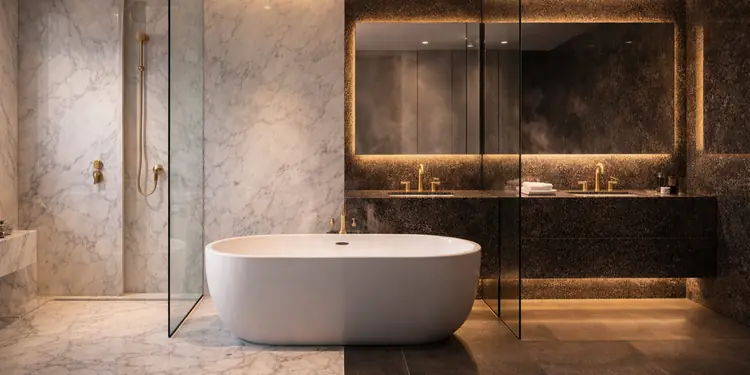
Designing or renovating a bathroom is an exciting opportunity to blend functionality with luxury. Among the most common and debated choices for bathroom surfaces—especially countertops, vanity tops, wall cladding, and flooring—are marble and granite. Both are natural stones prized for their beauty, durability, and timeless appeal. But when it comes to bathrooms, which one truly stands out?
In this comprehensive guide, we’ll explore the differences between marble vs granite for bathrooms, comparing durability, maintenance, cost, aesthetics, and long-term value. Whether you’re remodeling a master bath or designing a new home, this article will help you make a confident, informed decision.
Understanding Marble and Granite
Before diving into the comparison, it’s important to understand what each material actually is.
What Is Marble?
Marble is a metamorphic stone formed when limestone undergoes intense heat and pressure over time. This transformation gives marble its signature veining and smooth texture. Historically, marble has been associated with luxury and elegance—famously used in structures like the Taj Mahal and classical sculptures such as Michelangelo’s masterpieces.
Key Characteristics of Marble:
- Smooth, polished surface
- Distinctive veining patterns
- Softer and more porous than granite
- Available in lighter tones (white, cream, gray)
Marble creates a spa-like ambiance and is often favored for high-end bathroom designs.
What Is Granite?
Granite is an igneous rock formed from cooled molten magma beneath the Earth’s surface. It is composed mainly of quartz and feldspar, making it extremely hard and durable. Granite has long been used in architecture and monuments, including the Mount Rushmore.
Key Characteristics of Granite:
- Hard and highly durable
- Speckled or granular appearance
- Resistant to scratches and heat
- Available in a wide range of colors
Granite is widely regarded as one of the most practical natural stones for residential applications.
Marble vs Granite for Bathrooms: A Detailed Comparison
Let’s break down the comparison into key factors homeowners care about most.
1. Durability in Bathroom Environments
Bathrooms are high-moisture areas exposed to water, humidity, soap, cosmetics, and cleaning products.
Marble Durability
Marble is softer and more porous than granite. This means:
- It can scratch more easily.
- It may etch when exposed to acidic substances like lemon juice, vinegar, or certain cleaners.
- It requires regular sealing to prevent staining.
In bathrooms, marble can perform well—but only with proper maintenance. For vanity tops and walls, it works beautifully. For high-traffic flooring, it may show wear over time.
Granite Durability
Granite is significantly harder and more resistant to scratches, chips, and stains. It handles:
- Water exposure
- Cosmetic spills
- Heat from styling tools
With proper sealing, granite becomes highly stain-resistant and requires less frequent maintenance than marble.
Winner for Durability: Granite
2. Maintenance Requirements
When choosing between marble or granite for bathrooms, maintenance is a major deciding factor.
Marble Maintenance
Marble requires:
- Sealing every 6–12 months
- Immediate cleaning of spills
- Use of pH-neutral cleaners
If not properly maintained, marble can develop stains and dull spots (etching).
Granite Maintenance
Granite typically requires:
- Sealing once every 1–2 years
- Basic cleaning with mild soap and water
It is generally more forgiving than marble when it comes to daily use.
Winner for Easy Maintenance: Granite
3. Aesthetic Appeal and Design Flexibility
This is where the debate becomes more subjective.
Marble’s Timeless Elegance
Marble is synonymous with luxury. Its dramatic veining creates a soft, elegant aesthetic that is difficult to replicate. White marble, in particular, enhances brightness and gives bathrooms a clean, spa-inspired look.
Popular marble types include:
- Carrara
- Calacatta
- Statuario
If your design vision includes a classic, high-end bathroom, marble delivers unmatched sophistication.
Granite’s Natural Beauty
Granite offers:
- Rich color variations
- Speckled and patterned surfaces
- Modern and contemporary appeal
It’s available in darker tones such as black, brown, green, and deep blue—ideal for bold bathroom designs.
Winner for Classic Luxury: Marble
Winner for Variety and Bold Designs: Granite
4. Cost Comparison
Budget plays a critical role in material selection.
Marble Cost
Marble generally costs more due to:
- Higher quarrying and processing expenses
- Luxury demand
- Installation complexity
Prices vary depending on the type and rarity of the slab.
Granite Cost
Granite is often more affordable than high-end marble but can vary depending on origin and rarity. Exotic granite varieties can be expensive, but standard options are typically budget-friendly.
Winner for Budget-Friendly Options: Granite
5. Water Resistance and Moisture Performance
Bathrooms are constantly exposed to water and humidity.
- Marble absorbs water more easily if not sealed properly.
- Granite has lower porosity and resists moisture better.
- Over time, improper sealing of marble may lead to discoloration.
Winner for Moisture Resistance: Granite
6. Longevity and Resale Value
Both marble and granite can increase home value when properly maintained.
- Marble appeals strongly to luxury home buyers.
- Granite appeals to practical buyers looking for durability.
In real estate, both materials are seen as premium upgrades. However, granite’s durability may appeal to a broader market.
Winner for Low-Risk Investment: Granite
Winner for Luxury Market Appeal: Marble
Best Applications in Bathrooms
Rather than choosing one exclusively, many designers combine both.
Ideal Uses for Marble:
- Vanity tops in low-traffic bathrooms
- Wall cladding
- Shower surrounds
- Accent features
Ideal Uses for Granite:
- Main bathroom countertops
- High-traffic floors
- Family bathrooms
- Areas exposed to frequent water contact
Pros and Cons Summary
Marble Pros
- Elegant, luxurious appearance
- Unique veining
- Timeless appeal
Marble Cons
- Prone to etching and staining
- Higher maintenance
- Generally more expensive
Granite Pros
- Extremely durable
- Scratch and stain resistant
- Lower maintenance
Granite Cons
- Less dramatic veining
- Heavier appearance in some designs
Which Is Better for Your Bathroom?
The answer depends on your priorities:
- Choose marble if you prioritize elegance and are willing to maintain it properly.
- Choose granite if you want durability, ease of care, and long-term practicality.
For homeowners who want the best of both worlds, consider using marble for aesthetic focal points and granite for functional surfaces.
Expert Tips for Choosing Between Marble and Granite
- Assess Your Lifestyle: Do you have children? High traffic? Granite may be safer.
- Consider Lighting: Marble brightens small bathrooms.
- Factor in Maintenance: If you prefer low upkeep, granite is ideal.
- Request Samples: View slabs in natural light before deciding.
- Work With Professionals: Proper installation and sealing make a huge difference.
Frequently Asked Questions
Is marble too delicate for bathrooms?
Not necessarily. With proper sealing and maintenance, marble performs well in bathrooms—especially in low-traffic areas.
Does granite increase home value?
Yes. Granite countertops are considered a premium upgrade and can enhance resale value.
Can marble and granite be used together?
Absolutely. Many luxury bathrooms combine marble walls with granite countertops for a balanced design.
Final Verdict: Marble or Granite for Bathrooms?
Both marble and granite are exceptional materials, but they serve different needs.
If you desire a bathroom that feels like a luxury spa, marble’s elegance is unmatched. However, if you value durability, low maintenance, and long-term resilience, granite is often the better choice.
Ultimately, the best bathroom material is the one that aligns with your lifestyle, maintenance preferences, and design vision.
Conclusion
Choosing between marble and granite for your bathroom isn’t about finding a universally “better” material—it’s about finding the right fit for your home. Marble offers timeless sophistication and unmatched elegance. Granite delivers strength, durability, and practicality.
By understanding the pros and cons of each material, you can confidently select the one that enhances both your bathroom’s beauty and functionality for years to come.
If you found this guide helpful, share it with someone planning a renovation. And if you’re still unsure which material is right for you, consult with a local stone specialist to explore options tailored to your space.
Your dream bathroom starts with the right foundation.